Tools and technologies developed by ULTFARMS pilot teams and project partners, supporting the future of aquaculture farming in offshore locations
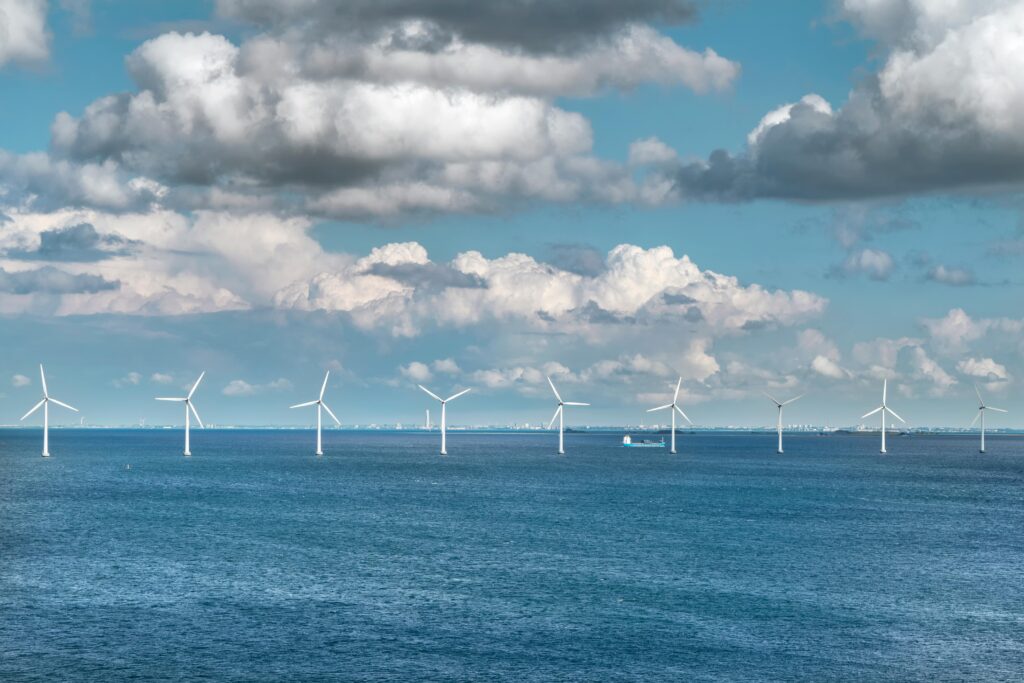
ULTFARMS grew seaweed and shellfish inside offshore wind farms in some of the most exposed waters of the North and Baltic Seas. Farming out there means structures must survive storms, the water needs close watching, and crops must be assessed without hours of manual work at sea. The four innovations below were developed and tested in our pilots to meet those challenges. Each is ready to be piloted, licensed or adopted commercially, with a factsheet setting out what it does, who it’s for and who to contact:
Bivalve Biomass Quantification for Aquaculture (BBQA)
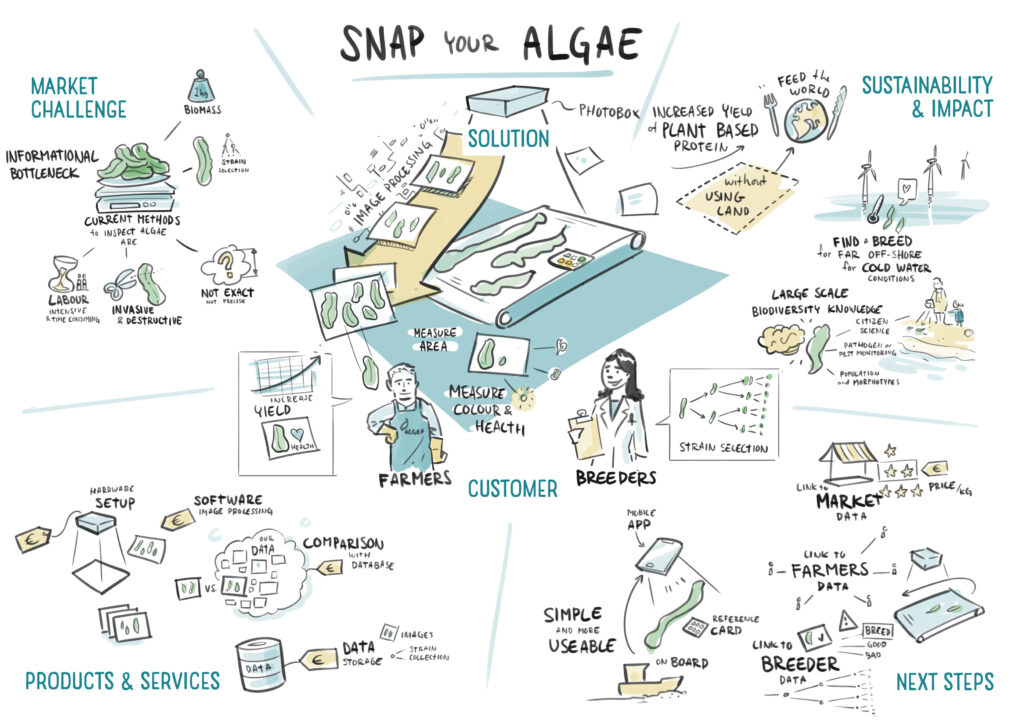
Snap Your Algae
Developed by :
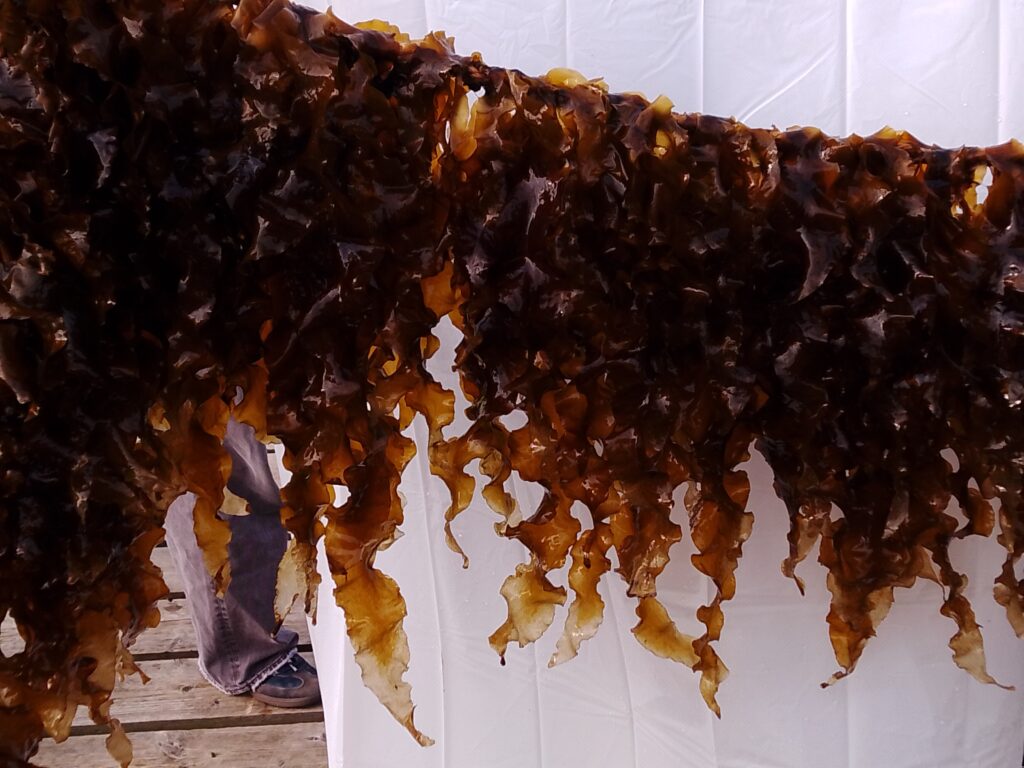
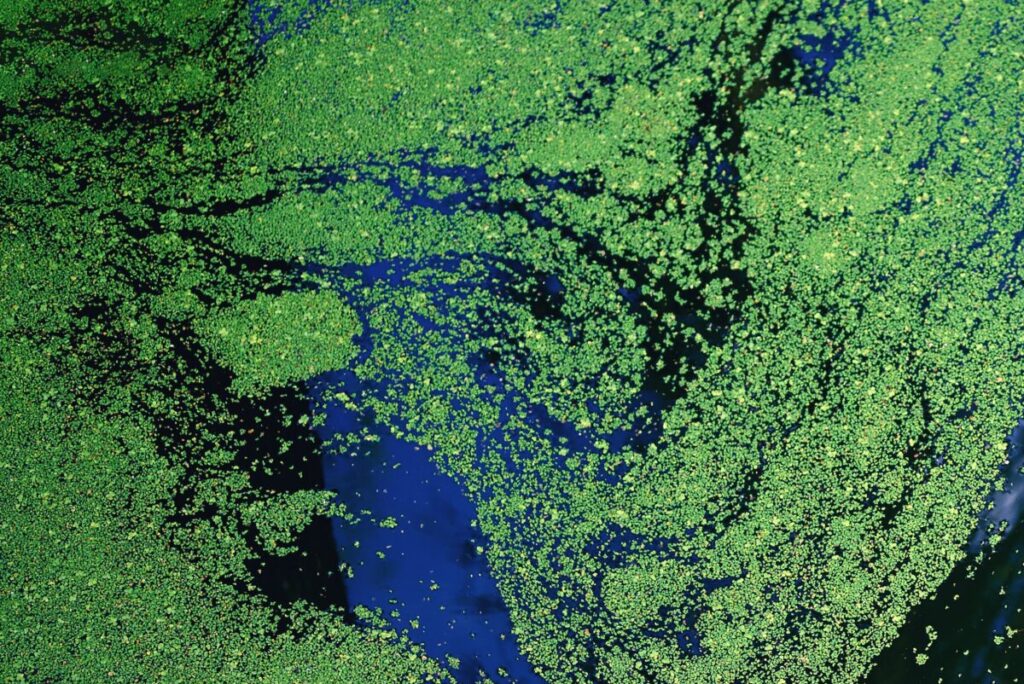
Assessing seaweed by hand is slow and inconsistent. Snap Your Algae reads macroalgae straight from a photograph, giving fast, repeatable measurements for growth tracking, yield forecasting and breeding. It is made for seaweed producers, breeders and integrated aquaculture teams who want reliable crop data without the manual workload.
Bivalve Biomass Quantification for Aquaculture (BBQA)
Developed by:
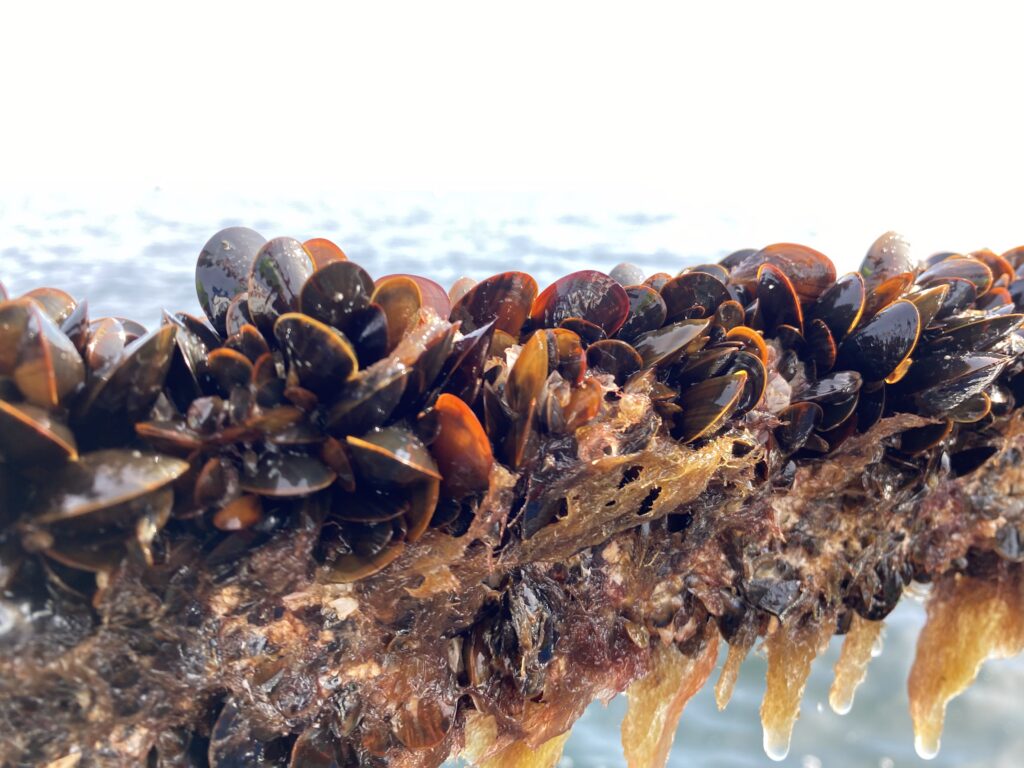
Counting stock on an offshore shellfish farm usually means slow, risky manual checks. This tool uses acoustic monitoring to estimate mussel and oyster biomass through the water column, without disturbing the crop. It gives producers, survey companies and researchers dependable figures to plan harvests and run sites more safely.
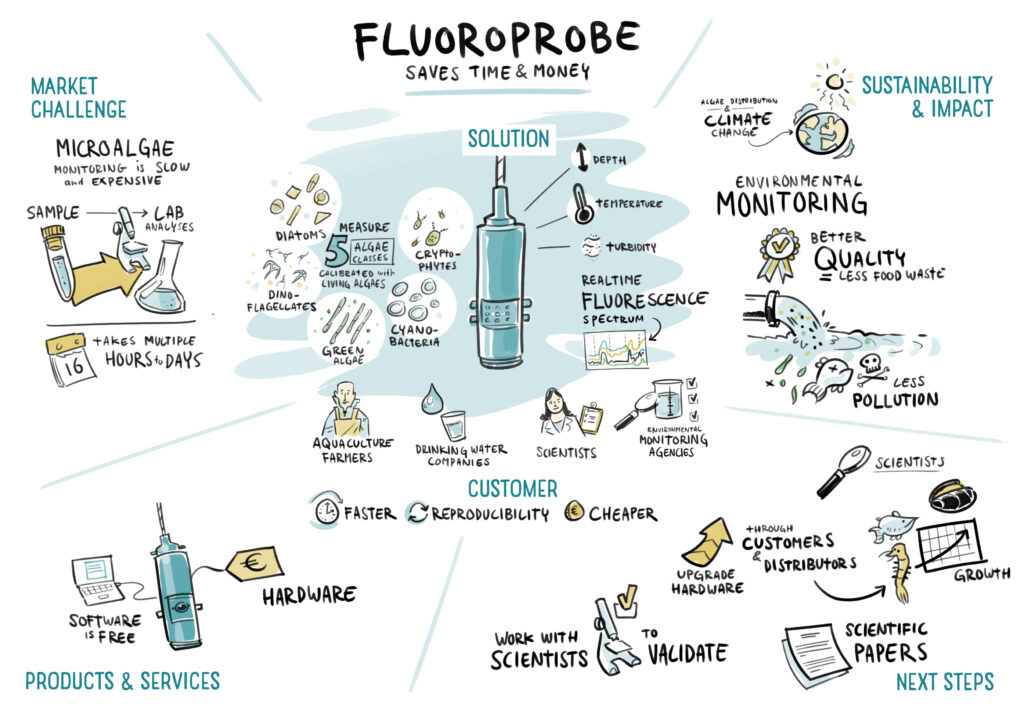
Manual water sampling is infrequent and often too late. This sensor monitors phytoplankton continuously, flagging potentially harmful algae early and building an unbroken data record. It gives offshore farmers and environmental agencies the warning they need to protect stock and sharpen bloom predictions, with far fewer site visits.
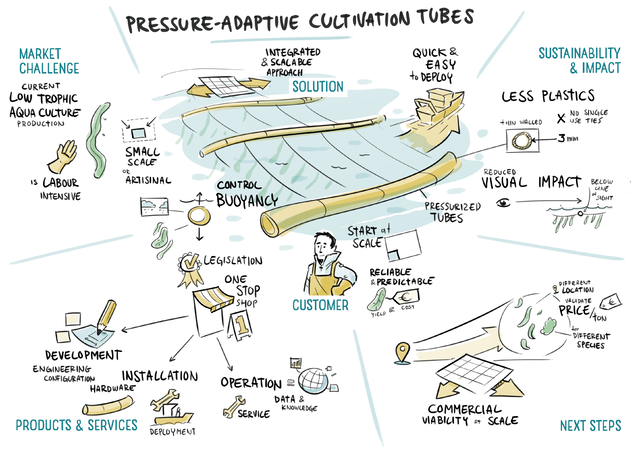
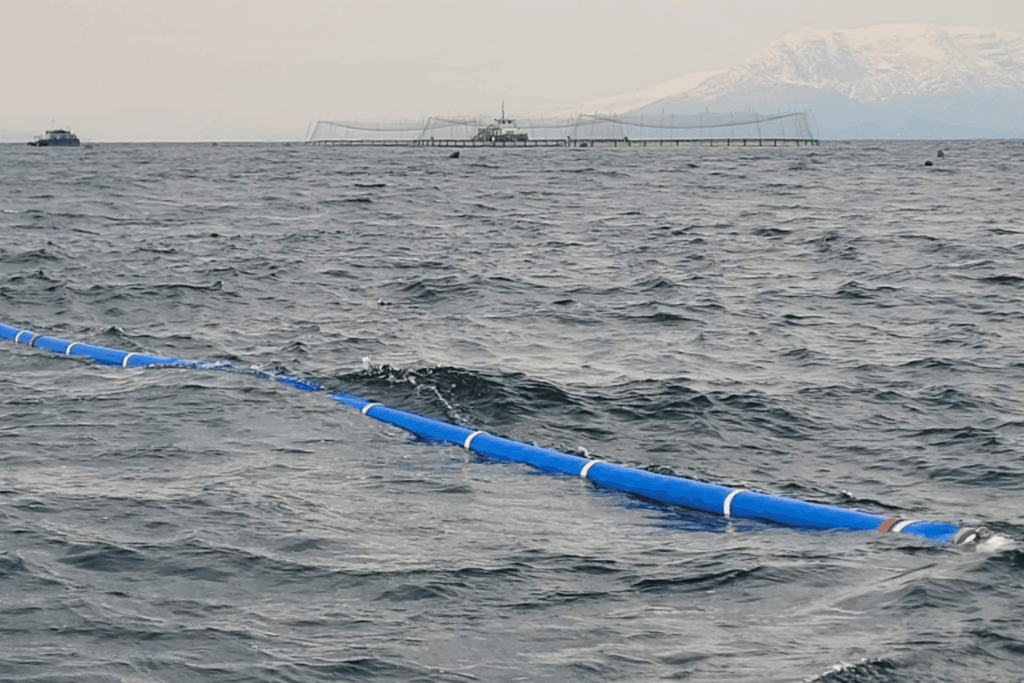
Fixed offshore structures often struggle to survive storms while staying workable, which is where Pressure Adaptive Cultivation Tubes come in: slender cultivation pipes with controllable buoyancy that surface for tending and submerge in rough weather. For seaweed and shellfish producers pushing further offshore, they bring stability and storm protection that conventional flotation cannot match.